
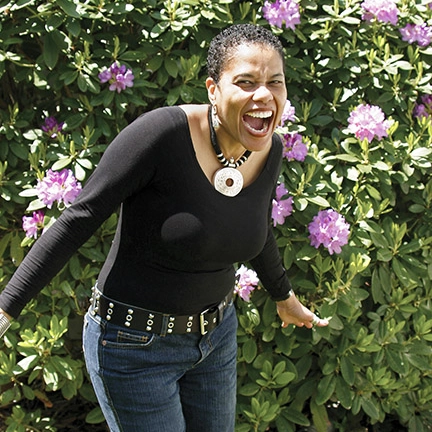
By Donna R. Walton, EdD
Handicapped. Crippled. Flawed. Disabled.
These hated words kept going through my mind. I thought they were how others saw me, but they were, in fact, also how I saw myself.
This was new for me, and it was all because I had recently lost my leg to cancer at age 18. That day in March 1976 changed my life.
Unfortunately, when a person loses a limb, the loss doesn’t end there. In addition to my leg, I also lost my dream of becoming a professional dancer and my belief that I was attractive. And so much of who I was at that age depended on these two things that their loss destroyed my self-esteem.
The mechanical-looking prosthesis I had to wear was ugly, and my crutches caused me to limp. And people, of course, stared. It was devastating. While I had once loved being the center of attention and standing out, now I just wanted to fit in.
Some of my terrible feelings of worthlessness came from within. No one had to tell me that I was ugly with my one leg. I just knew it. Other negative feelings came from without—from being rejected and from feeling ashamed because of what others thought and said. “What man will ever want to marry you?” someone shamelessly asked me. I didn’t want to think about the answer.
Unfortunately, these negative feelings were a major distraction for a long time. I was focused on this one aspect—what I had lost, not what I still had.
Sound familiar?
Fortunately, I finally began to realize that self-hatred was not going to get me the “happy” that I wanted in my life.
I then began to ask myself a simple question: “What’s a leg got to do with it?” That simple question helped me realize that I still had value whether I had two legs or not.
Nothing had changed externally. People still stared, and a stigma against people with disabilities still existed. People still rejected me and said hurtful things. Only my internal perception of myself had changed, but that made all the difference. Once I got my focus off that leg, it was as if I had once been blind and had regained my 20/20 vision. I could now see my many other positive qualities, skills, and talents.
Although learning to love yourself again after such a loss is not easy, it is certainly possible. It is important to realize, however, like I did, that the battle is not an external one. You can’t win it by purchasing a new prosthesis, wearing nicer clothes, or convincing everyone else to stop being cruel. Instead, you must win the battle within yourself.
While there are many things you can do to enhance your self-esteem, the following four will give you a great start:
• Take the focus off what you have lost, and put it on the many things you still have. Rock what you got!
• Show up unapologetically, understanding that you are much more than the sum of your physical parts.
• Affirm your positive qualities regularly—daily even.
• Silence or ignore the negative voices from inside and outside of yourself.
If you can change your perspective and get your focus off what you have lost long enough to see and value what you still have, you will be well on your way to strengthening your self-esteem.
And, seriously, what’s a leg—or an arm—got to do with a person’s value anyway?
After her own battle with low self-esteem, Donna R. Walton, EdD, went on to earn a doctorate in counseling. Today, she teaches others to regain their lost self-esteem. She is also the founder and CEO of LEGGTalk (www.leggtalk.com) and the Divas With DisAbilities Project (www.divaswithdisabilities.com), two organizations that encourage others to affirm their value regardless of their disabilities.
ONLINE RESOURCE
Learn How to Prevent and Manage Diabetes and Its Related Health Complications: Visit the National Diabetes Information Clearinghouse (NDIC) to view a wide variety of diabetes-related topics listed alphabetically from A to Z. http://diabetes.niddk.nih.gov