
“Your mindset after a massive life change, in my opinion, is the most important piece of the puzzle. It will make or break your entire life after experiencing something like this.” —Diana Gazzano Gibson
For many entrepreneurs, the best business ideas begin with identifying a problem that needs solving. For three women, that problem was deeply personal. After experiencing limb loss, they built organizations that are helping others reclaim independence, confidence, and possibility. Their work looks different, but each shares the same belief: No one should have to navigate limb loss alone.
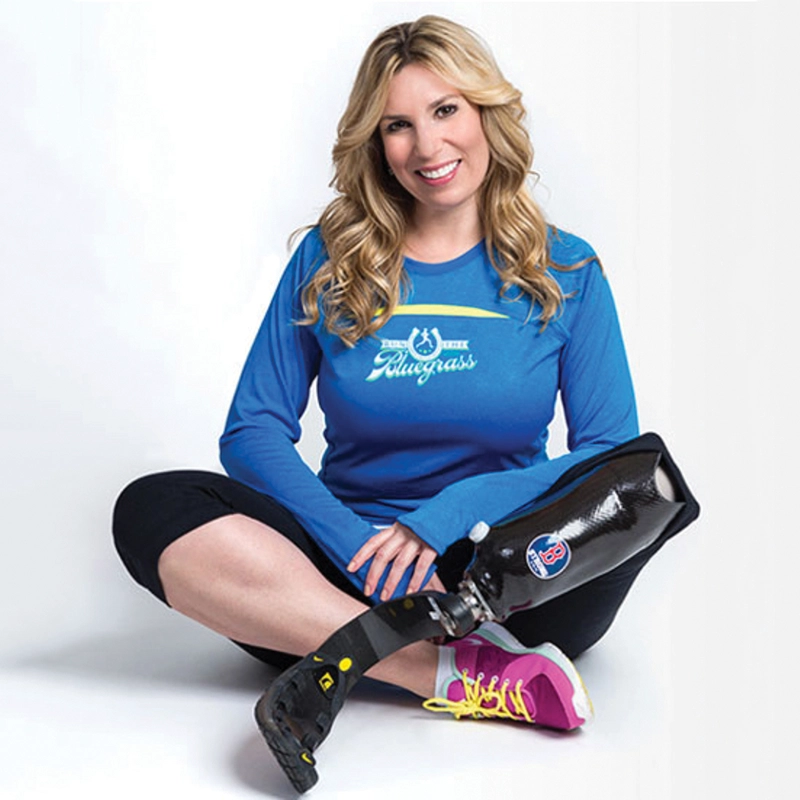
Heather Abbott
Heather Abbott Foundation
When Heather Abbott lost her left leg in the 2013 Boston Marathon bombing, the generosity of strangers changed the course of her recovery. Donations helped her obtain not only an everyday prosthesis, but also specialty prosthetic limbs that allowed her to paddleboard, run, and even wear high heels again—devices that insurance often doesn’t cover. Rather than keeping that gift to herself, she founded the Heather Abbott Foundation to pay it forward. Today, the organization provides customized prosthetic devices, with the goal of helping recipients return to the activities that give their lives meaning. As the foundation explains, its vision is “a world where individuals who have suffered limb loss through traumatic circumstances can live the lives they want.”
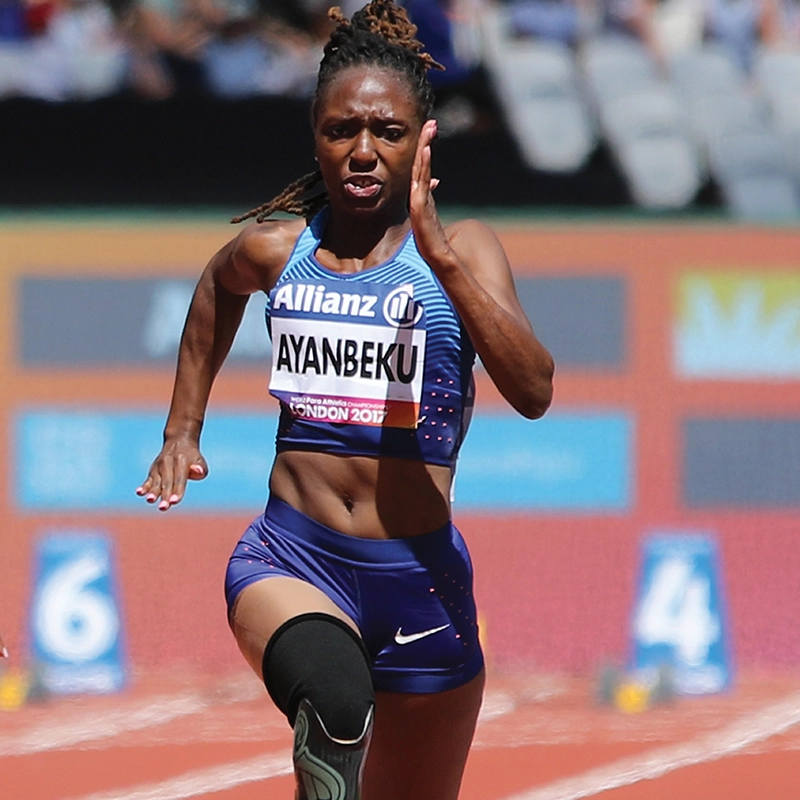
Femita Ayanbeku
Limb-It-Less Creations
For Femita Ayanbeku, representation became the driving force behind her work. After losing her right leg below the knee at age 11, she grew up without hearing the words she needed most. “I didn’t have anyone to tell me, ‘It’s okay, you’re different, but you’re beautiful,’” she said. Today, she’s determined to be that voice for others. Ayanbeku founded Limb-It-Less Creations, a nonprofit that ran from 2015 through 2020, and continues to support the amputee community while raising awareness about limb loss and disability. Alongside her work as a Paralympian, speaker, and personal trainer, she encourages people to embrace both what makes them alike and what makes them different, helping others discover confidence, community, and the belief that they belong exactly as they are.
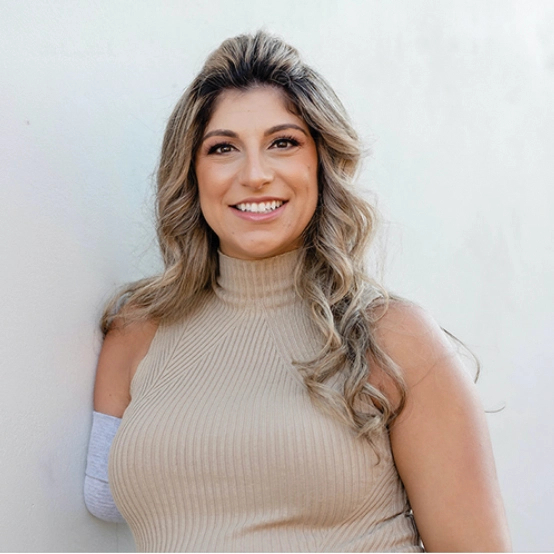
Diana Gazzano Gibson
Diana Adapted Foundation
Although Diana Gazzano Gibson didn’t find a roadmap after losing her dominant arm in an ATV accident, she decided to build one for others. She created the Diana Adapted Foundation to connect people with adaptive equipment, educational resources, grants, and a supportive community. Rather than focusing only on prosthetic technology, the foundation encourages people to rediscover the hobbies, sports, and everyday activities they may have believed were no longer possible. Its philosophy is simple: Adaptation isn’t about settling for less—it’s about finding new ways to continue living fully.
While their organizations differ, all three founders recognized the same gap: Recovery extends far beyond the hospital. It includes returning to work, rediscovering favorite activities, building confidence, and finding people who understand the journey.
On American Business Women’s Day, observed annually on September 22, their stories serve as a reminder that entrepreneurship isn’t always measured by revenue or products. Sometimes, its greatest success is measured by the number of lives made a little easier because one woman decided that what she needed most should exist for someone else too.