

The Best Moisturizers for Prosthesis Users
WORDS Chloe Toscano
Moisturizing feels good, and it’s essential for maintaining healthy skin. For many people, it’s simply part of their everyday routine. However, moisturizing a residual limb when you wear a prosthesis can get a little tricky.
Skin under a prosthesis is easily irritated. Applying just any moisturizer without taking into consideration the symptoms and causes of the irritation can make things worse. The wrong formula, or even applying it at the wrong time, can increase the chance of inflammation and interfere with socket fit, causing it to shift or slip.
But that doesn’t mean healthy, hydrated skin is out of reach for prosthesis users. The key is choosing the right formula and knowing when to use it. And with the help of experts, I’ve rounded up a guide to help you keep your skin healthy, hydrated, and comfortable.
Why is skin different under a prosthesis?
According to Casey Gruber, a certified prosthetist/orthotist at ForMotion Clinic in Baltimore, sweat is by far the most common skin complaint among prosthetic users, followed by friction-related irritation and ingrown hairs.
Much of that has to do with the environment inside a prosthesis. The skin under a prosthetic socket is completely occluded, or covered, by materials that are far from breathable. As a result, the skin is exposed to increased heat, moisture, friction, and pressure, says Marisa Garshick, MD, board-certified dermatologist at Medical Dermatology and Cosmetic Surgery in New York and clinical professor of dermatology at New York-Presbyterian/Weill Cornell Medical Center.
To achieve optimal skin health, what activities should I avoid?
It’s never a good idea to shave your residual limb. Short hairs can get pushed back into your skin, become ingrown, and get infected.
Also, avoid using alcohol or talcum powder on your limb. Alcohol strips skin of natural oils and can damage healing tissue. Sweat can cause talcum powder to pill up and then irritate skin from abrasion.
Whenever possible, it’s important to apply suncreen with at least 30 SPF to any exposed skin.
What should you look for in a prosthesis-friendly moisturizer?
“When wearing a prosthesis for extended periods, it’s important to choose a moisturizer that helps support the skin barrier without leaving behind excessive residue,” says Garshick, who recommends looking for fragrance-free, nonirritating formulas that contain ingredients such as ceramides, glycerin, hyaluronic acid, and colloidal oatmeal.
In other words, it’s not just about hydration. It’s about choosing ingredients that nourish the skin without interfering with your
prosthesis.
“The ideal moisturizer should absorb well into the skin and provide lasting hydration without feeling overly greasy, as excess product can contribute to friction, discomfort, or difficulty with prosthesis fit,” she adds.
Gruber also recommends choosing lightweight, noncomedogenic, residue-free products whenever possible. He explains that traditional lotions tend to sit on the skin longer, which can increase sweating and create additional wear on the prosthetic liner.
What ingredients should you avoid?
Garshick advises against using moisturizers that contain fragrance and essential oils because they can irritate sensitive skin. She also notes that exfoliants such as lactic acid, glycolic acid, vitamin C, and retinoids can contribute to irritation. In short, when in doubt, stick with simple, fragrance-free formulas designed for sensitive skin.
When should you moisturize?
When it comes to moisturizing the skin under a prosthesis, timing is just as important as the formula you choose.
“If using a moisturizer, I advise patients against using it right before donning the liner as it can ruin the liner and sometimes increase sweating and irritation,” Gruber says.
Best Overall
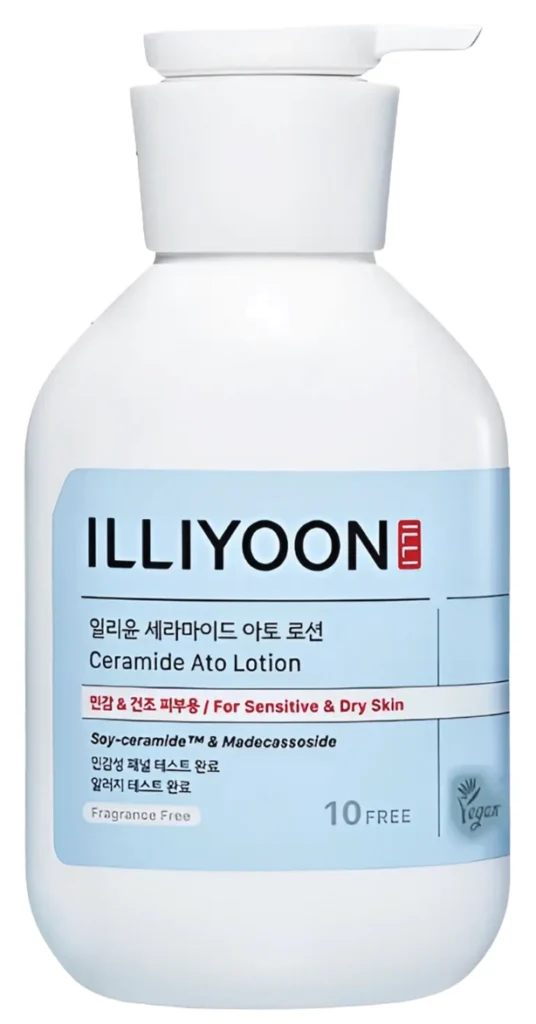
Illiyoon Ceramide Ato Lotion
As a prosthesis user myself, this lotion has been a go-to for years. Its fragrance-free, light, silky formula absorbs quickly without leaving skin greasy or coated in excess residue. It’s also formulated for sensitive skin and enriched with ceramides to support a healthy skin barrier. If you’re after a lightweight ceramide lotion, this is it.
Best Daily Moisturizer
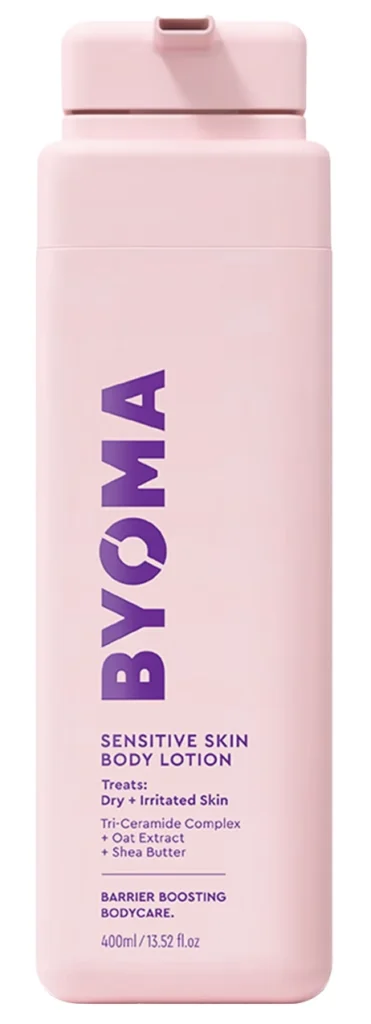
Byoma Sensitive Skin Body Lotion
Byoma lotion checks nearly all the boxes laid out by our experts. Designed to support the skin barrier in sensitive skin, Byoma’s formula contains ceramides and soothing colloidal oatmeal, making this a good option for skin that’s feeling dry, irritated, or itchy. It’s also an excellent daily choice as it’s nongreasy and doesn’t leave behind residue.
Best Recovery Balm
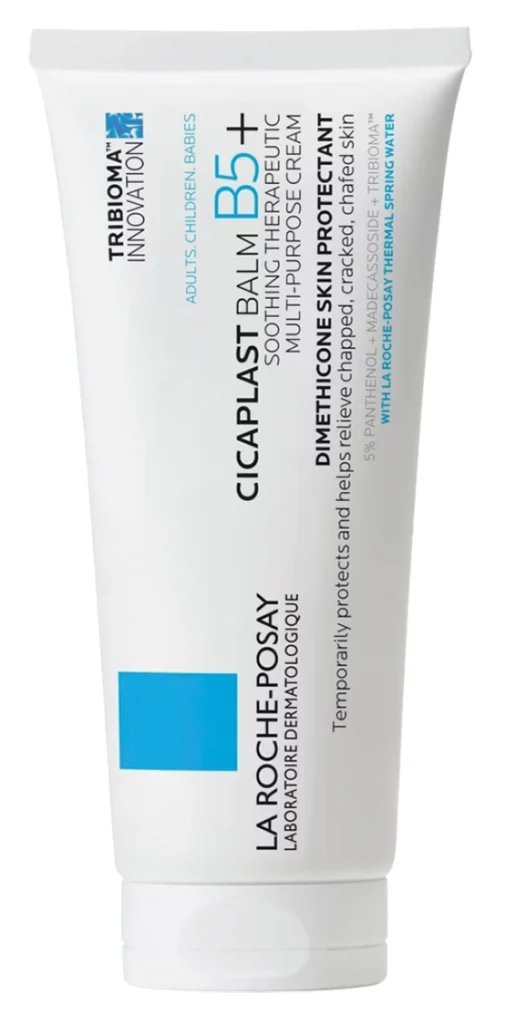
La Roche-Posay Cicaplast Baume B5
This balm-textured cream is especially great for targeting areas that experience the most friction after prosthesis wear. “This versatile moisturizer helps soothe and support compromised skin. It features panthenol (vitamin B5), madecassoside, shea butter, and glycerin, which work together to calm irritation, replenish moisture, and strengthen the skin barrier in areas exposed to friction,” says Garshick.
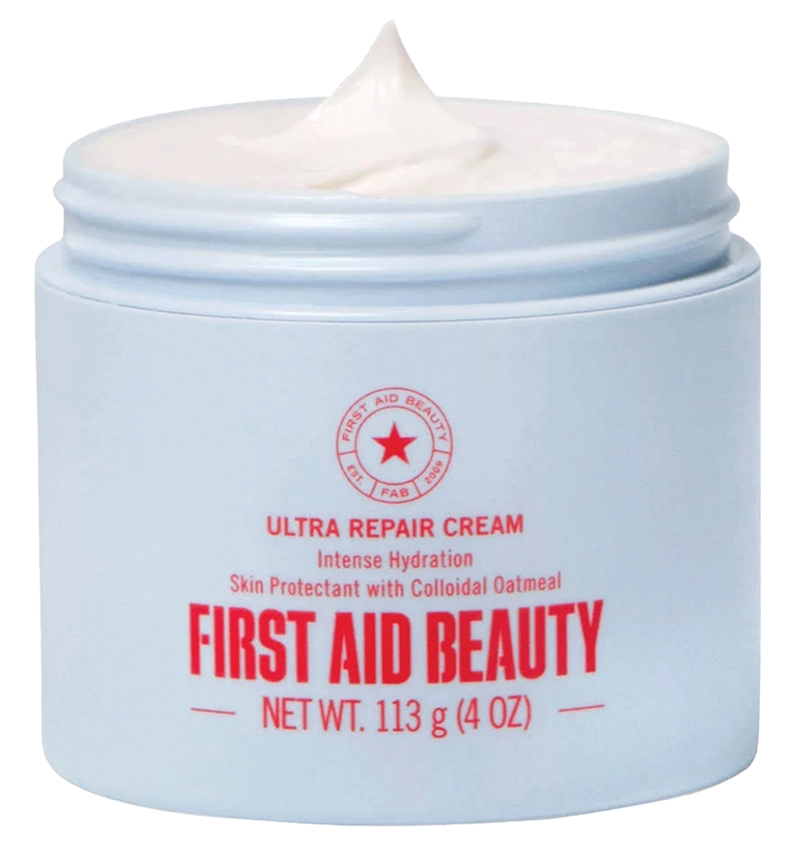
Best for Dry Skin
First Aid Beauty Ultra Repair Cream
One of the richer formulas on this list, this one is well suited for moisturizing after removing a prosthesis when the skin is particularly dry or just needs a little extra TLC. One of the formula’s standout ingredients is colloidal oatmeal, which is especially helpful for calming irritation caused by prosthetic wear.
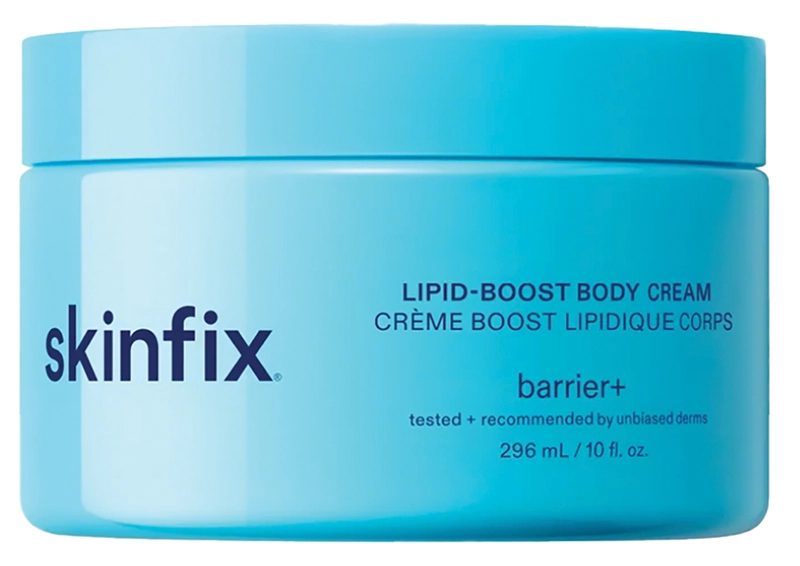
Best for Barrier Repair
Skinfix Lipid-Boost Body Cream
Featuring a blend of ceramides, cholesterol, and fatty acids that work together to help replenish lipids naturally found in the skin’s moisture barrier, this cream is a great choice for skin frequently exposed to friction and occlusion. Since the formula is richer, this is best suited for post-prosthesis wear and overnight recovery (or anytime you won’t be wearing your socket for an extended period).
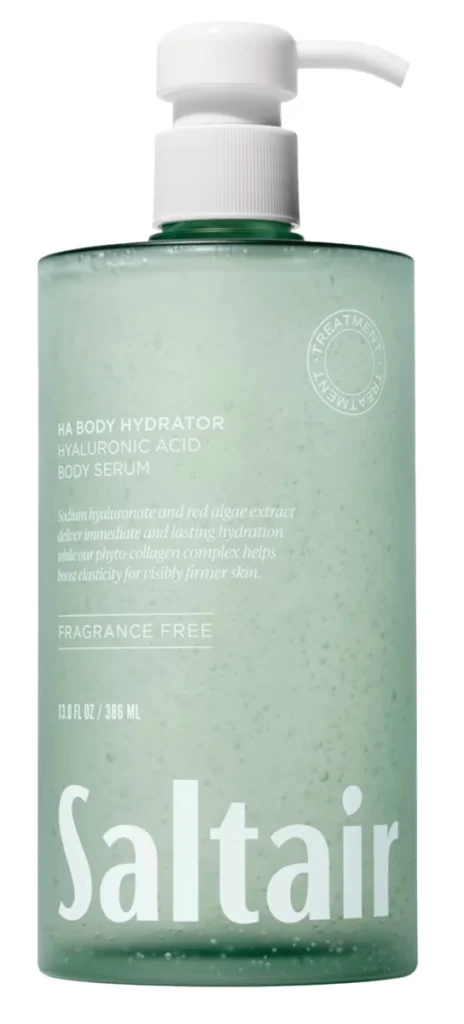
Best Lightweight Formula
Saltair Hyaluronic Acid Body Serum
This is easily the most unique item on this list because it’s not a traditional cream or lotion. It’s a serum designed for use on the body, not just the face. This option is here for the person who hates the feeling of heavy moisturizers but still wants hydrated skin. As its name suggests, the star ingredient is hyaluronic acid, which helps keep skin hydrated without relying on a thick formula. Its lightweight serum texture sinks into the skin almost instantly, making it a great option when you want quick hydration without leaving behind a heavy layer.
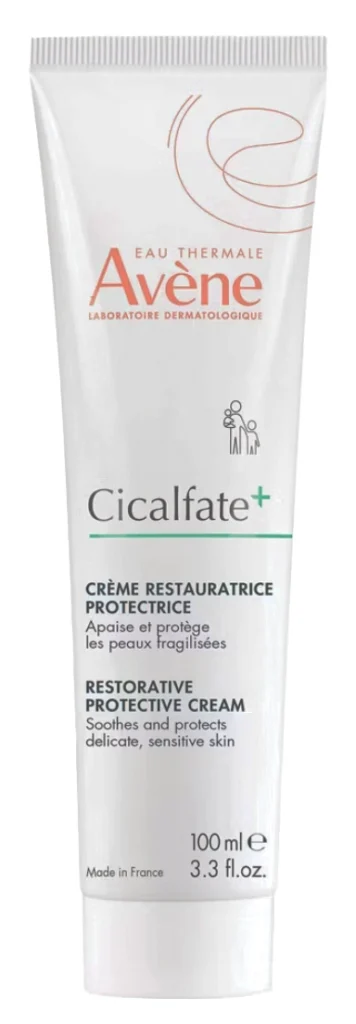
Best for Irritated Skin
Avène Cicalfate+ Restorative Protective Cream
If your prosthesis has left your skin particularly irritated, this is the one Garshick recommends. “It helps support the skin barrier while soothing areas that may be prone to friction or irritation. It contains a postbiotic ingredient called C+-Restore, along with copper-zinc sulfate and Avène Thermal Spring Water, which work together to calm and protect the skin.” This makes it an excellent option when your skin needs a little extra support after a particularly long or rigorous session of prosthesis wear.
The products and views expressed herein are those of the independent author. Editorial choices are never influenced by advertisers or commercial partners and not endorsed by Amplitude Media Group. Amplitude is not liable for any content herein that may be considered offensive, inappropriate, or inaccurate.