Dramedy takes center stage in this year’s Easterseals Disability Film Challenge
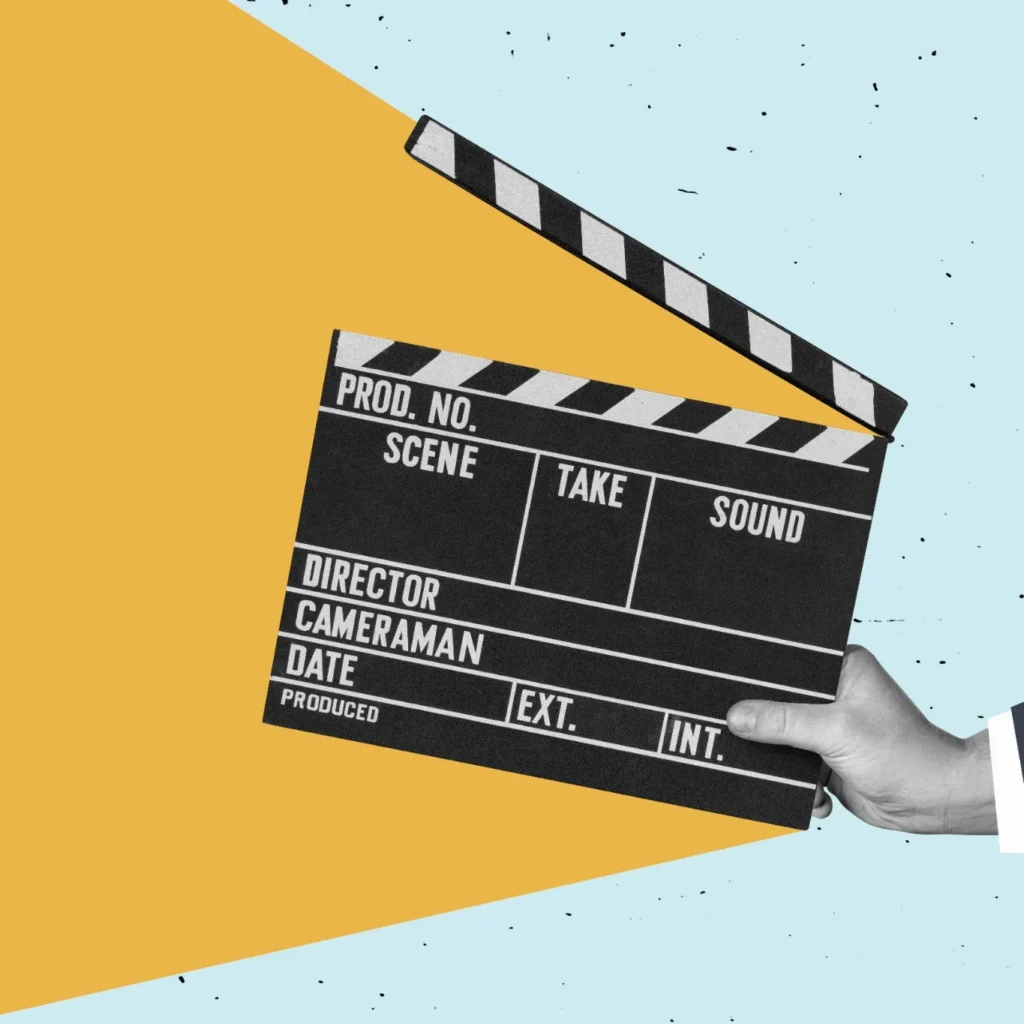
The Easterseals Disability Film Challenge wrapped submissions on April 7, closing out five days of fast-paced, purpose-driven storytelling. Now in its 13th year, the annual competition continues to spotlight disability inclusion in front of—and behind—the camera.
Last year’s challenge highlighted the kind of momentum these films can create. Everhand took top honors for both Best Film and Best Director, rising out of more than 120 global submissions. Beyond recognition, winners received grants and industry support to help expand their work—turning short films into stepping stones toward larger opportunities in the industry.
Founded in 2013 by Nic Novicki, an actor, comedian, and producer with a disability, the challenge was created in response to the entertainment industry’s ongoing lack of representation. Since then, it has grown into a global platform for emerging filmmakers, especially after partnering with Easterseals Southern California in 2017 to expand its reach and impact.
The premise is simple—but ambitious: Filmmakers have just five days to write, shoot, and edit a short film (between one and five minutes) based on a specific annual theme. This year’s genre? Dramedy – a blend of drama and comedy that often explores themes like identity, grief, redemption, and connection, all while balancing emotional depth with humor.
There’s a creative twist, too. Each film must feature someone with a disability either in front of or behind the camera, ensuring authentic representation is built into the process—not added as an afterthought. Filmmakers are also required to incorporate specific elements, like set locations (think: apartments, parks, cafés) and at least two props—flowers, a coffee cup, or even a balloon—adding an extra layer of creative challenge.
Since its launch, the competition has helped generate hundreds of short films and launch real careers. Past participants have gone on to land major opportunities across film, television, and public speaking, underscoring the challenge’s role as both a creative incubator and an industry access point.
Winners will be announced May 7 at Sony Pictures Studios, with prizes including cash awards, mentorship opportunities, and industry connections—tools designed to help filmmakers take their next step.
At its core, the challenge is about shifting narratives. As Novicki has said, true progress means ensuring people with disabilities are part of the conversation at every level. For one week each year, this competition helps make that vision visible—one short film at a time.