
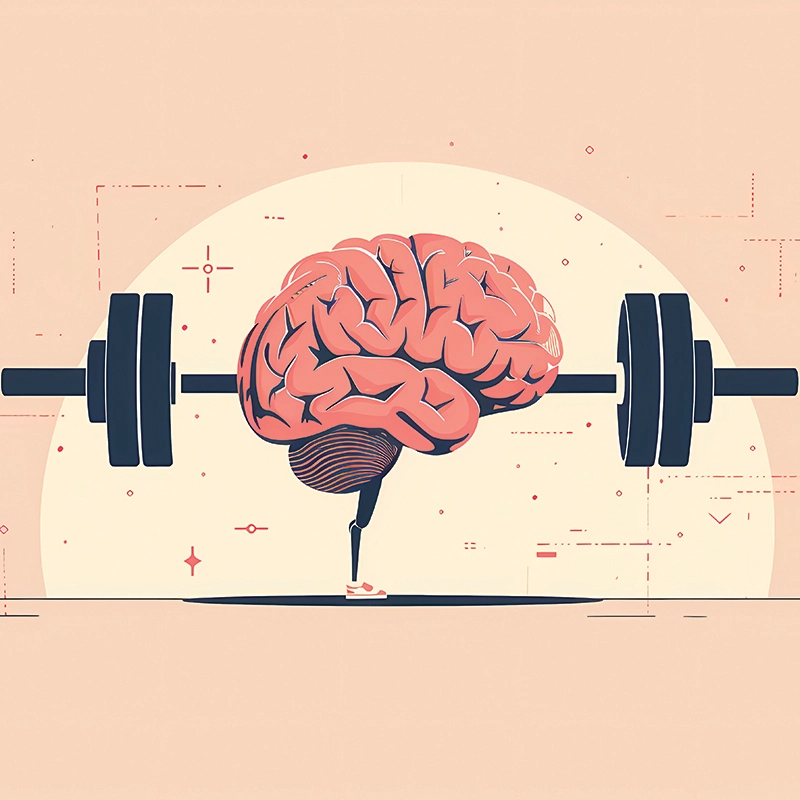
It’s not about what happens on the treadmill or in the weight room. It’s about what happens between the ears.
by Eric LeMarque
Some mornings, I look at my prosthetic legs and feel overwhelmed by the effort it takes to put them on. I wonder how they’ll feel—will they be comfortable today? Will they work the way they should? It’s easy to feel discouraged in those moments. But then I try to shift my focus and find something to be grateful for. I choose to think about donning my below-knee prosthetics not as a burden, but as part of my routine—like putting on a pair of boots to complete my outfit.
It doesn’t end there. That’s just the start. Throughout a day full of activities and errands, I sometimes experience cramping or pain. To manage this, I apply plastic food wrap to any pressure points on my limbs, take breaks to breathe and sit when needed, and focus my attention on something positive or healthy. Without that mental effort, I might fall into a downward spiral of low motivation, maybe even depression. Even though I was athletic enough in my youth to play professional hockey and compete in the Olympics, as a middle-aged amputee I experience the same battle for basic fitness that you may be facing in your limb-loss journey.
At this stage of my life, I’ve realized that getting fit after limb loss isn’t just about hitting the gym—it’s about finding ways to stay active that work for me. Fitness can look different for everyone, and it can be adapted to your unique needs, abilities, and goals, no matter where you are in your recovery. It might include things we traditionally associate with physical fitness, like walking, swimming, biking, or weight training. But fitness also encompasses everyday activities like gardening, stretching, healthy eating, connecting socially, and even something as simple as walking to the mailbox. Staying active supports your body, mind, and overall well-being. With the right support and mindset, anyone living with limb loss can build strength, improve movement, boost confidence, and keep striving toward a better quality of life.
We often associate fitness with elite athletes who are young, energetic, and blessed with sculpted physiques. Images of Paralympians fill our TV screens and digital feeds, creating ideals that can feel hopelessly unattainable. If I dwelled too much on those comparisons, I wouldn’t be trying to qualify for the 2026 Winter Paralympics as a snowboarder. At 56 years old, I don’t come close to matching the profile of a typical Paralympian, so it would be easy to talk myself out of even trying. But once I start questioning whether I belong or if my goals are still possible, I’m no longer supporting my fitness. And I’m no longer striving toward my goal to become the first person to compete in both the Winter Paralympics and the Winter Olympics.
So instead of letting doubt define me, I concentrate on my potential. With small, achievable goals, progress is possible. It might sound simple, but committing to goals can be a real and intimidating challenge. It’s a powerful choice to keep moving forward, especially when you don’t fit the stereotypical image of fitness. Whether you’re running laps on the track or pushing a cart through the grocery store, it takes guts to forge ahead when everyone around you seems younger, healthier, and more self-assured than you are. To do that while managing the unique recovery of limb loss requires discipline, resilience, and a deep belief in your own strength and value.
My goal isn’t to get back to the shape I was in at age 25, before my disability, or to compete with young Paralympians just beginning their athletic paths. Holding myself to those standards doesn’t help—it can actually make things more difficult. It creates unrealistic expectations that can lead to frustration, discouragement, and a constant sense of falling short. I’m embracing different goals that match where I’m at on my journey through life, but they’re not “less-than” or insignificant compared to the goals I set at 25. They’re just a better fit for where I am at 56. They have transformed right along with me.
The truth is, limb loss changes your body and your life. It’s only natural for your goals to change, too. That’s not a weakness; it’s simply part of your new course. Dialing back your fitness goals doesn’t diminish your strength, ability, or potential for success. It just means your definition of success might look different now than it did prior to amputation—and that’s perfectly okay. Comparing yourself to your younger self, other amputees, or athletes in a different stage of life isn’t fair to you. What truly matters is focusing on where you are today, what’s important to you now, and what you can achieve with the body and experiences you have. That’s where meaningful progress and real growth begin.
The real goal of fitness is to focus your energy on something that feels significant and purposeful to you. It could involve working toward a personal milestone, building healthy routines, or simply finding ways to move your body that make you feel good. This approach to fitness isn’t about chasing a certain look or number on the scale. It’s about doing things that add value to your life and support your overall well-being.
The best part about this definition of fitness is that it includes everyone. You don’t need to be in top shape, have perfect mobility, or look like the people in fitness magazines. Even if the gym feels intimidating or you don’t see yourself as athletic, you can still find ways to take steps toward better health. Whether you’re walking around the block, stretching, doing chores, or simply staying consistent with small daily habits, every bit counts. Fitness isn’t about being the fastest or the strongest. It’s about taking care of yourself and moving in ways that support your body, mind, and spirit.
Staying determined to grow, improve, and pursue meaningful goals doesn’t only make you stronger. It rubs off on the people around you. By focusing on what’s possible rather than what’s considered ideal, you’re setting a powerful example for others who may feel left out. That’s an inspiring, deeply human message. We often have to believe in things that aren’t visible in order to achieve them. When you manifest that behavior, it becomes visible to somebody else.
True fitness supports every part of your life, not just your body. It isn’t just about speed, strength, or appearance—it’s about taking care of your whole self, from your physical health to your mental wellbeing, emotional balance, relationships, and sense of purpose. This well-rounded, realistic, and inclusive definition of fitness supports limb-loss recovery far better than narrow conceptions that focus on having six-pack abs, a trim waistline, or extreme strength and endurance. It fits real lives, real bodies, and real human beings. It’s not about striving for perfection. It’s about creating a healthy, balanced lifestyle that helps you feel more capable and more connected to yourself and your community.
This is a version of fitness that we can all pursue in our own way and at our own pace.
Choose a path that’s true to you and focus on that—not on meeting others’ expectations. You’ve made the powerful choice to invest your energy in something that feels motivating and fulfilling, even if it doesn’t fit the traditional definition of success in the able-bodied world of fitness. You’re choosing a path that brings you purpose, challenge, and joy, instead of one that conforms to outside expectations or allows you to prove something to someone. Fitness isn’t about chasing someone else’s idea of perfection. It’s about setting your own goals, showing up for yourself, making progress that feels right for you, and taking pride in the effort.
My Daily Routine
Fitness for the Whole Self
I build fitness into my day from the moment I wake up. I work on it throughout the day, not only during the time I spend on physical exercise. I establish routines that bring me strength, energy, and a sense of purpose no matter what activity I’m engaged in. Here’s a step-by-step guide to redefining fitness and making it part of everything you do.
1. Wake Up With Intention
As soon as I wake up, I begin with a few simple, grounding practices—all from bed. I begin with prayer and gratitude, taking a few quiet moments to give thanks for the day and to connect spiritually. I put on some worship music to set a calming, uplifting tone. I spend a few minutes on meditation and slow, mindful breathing to clear my mind and reduce tension. Finally, I do gentle stretching while still lying down, helping my body ease into motion, especially on stiff or sore mornings.
These steps may seem small, but they help me wake up with purpose and prepare me for the day emotionally, mentally, and physically.
2. Start the Day With Simple Wins
Next I make my bed. It’s a quick task, but it gives me a sense of order and accomplishment right away. It’s my first “win” of the day, and it sets the stage for more positive steps to follow.
3. Fuel With Purpose
Nutrition is the next key part of my routine. What you feed your body in the morning sets the tone for your energy and focus. I start with two glasses of water to rehydrate after sleep. Then I eat fresh fruit—something light, nourishing, and easy on the stomach. These simple choices help me feel energized and mentally alert. They give me a competitive advantage, especially when I’m preparing for a day that may include physical or emotional challenges.
4. Connect With My Body
As I begin my morning routine, I check in with how my body feels—especially when it comes to my prostheses. If I feel any discomfort, such as hotspots or tender areas, I use deep breathing to stay calm and centered. I remind myself that physical accommodations are part of my journey—not setbacks, but adaptations that make me more resilient. Some days, this means taking a little extra time or making changes to how I move. That’s okay. Being flexible and patient with myself is a form of strength.
5. Stay Active Throughout the Day
Fitness doesn’t always mean a formal workout. I find ways to stay active through everyday movement. Walking, even short distances, helps with circulation and mood. Household tasks like cleaning or gardening are great ways to stay mobile and productive. Stretching or mobility exercises throughout the day keep my body loose and comfortable. When I do have time for more structured exercise—whether it’s resistance training, swimming, or using adaptive equipment—I treat it as a celebration of what my body can do, not a punishment or a test of limits.
6. Reflect and Restore
As the day winds down, I take stock of what I accomplished and how I felt. I think about what went well, acknowledge challenges without self-judgment, and spend a few minutes in quiet reflection or gratitude before sleep. Rest and recovery are just as important as movement. They give my body time to heal and my mind time to reset.
7. Always Choose Fitness
It’s easy to get discouraged, succumb to inertia, and fall into lazy habits. Avoiding that pattern can seem overwhelming, so I divide things up into small, winnable battles that keep me productive. My checklist is to the right.
Ultimately, fitness isn’t about achieving perfection. It’s about making progress, working toward greater self-awareness, and honoring your whole self. I try to ensure that every action I take, whether big or small, contributes to my well-being. By showing up for myself consistently, I’m not just building fitness—I’m building a life of purpose, strength, and resilience.
Eric LeMarque is a writer, public speaker, and competitive snowboarder. For encouragement and fitness advice, reach out to him at eric@lemarque.com.
Daily fitness checklist
Focus Your Attention
Where your attention goes, your energy flows. Be mindful of what you’re focusing on.
Use Your Schedule as a Support
System Plan your day and stick to it. Let your calendar help keep you accountable.
Progress Over Busyness
Don’t confuse being busy with being productive. Focus on meaningful tasks.
Win One Hour at a Time
Break your day into manageable chunks. Just focus on doing your best in the next hour.
Action Creates Motivation
Don’t wait to feel motivated. Taking small steps often brings the motivation you’re looking for.
Take Imperfect Action Now
You don’t need to have it all figured out. Just start. Progress begins with action, not perfection.
Force Yourself to Commit
Set up specific actions that you can’t back out of. These help you follow through on your goals.
Act Like Your Future Self Today
Think about the person you want to become—and start living like them now.
Reflect on Your Progress
Regularly review how you’re spending your time. Small adjustments can make a big difference.
Celebrate Small Wins Every Day
Consistent progress comes from small, daily victories. Acknowledge and build on them.