

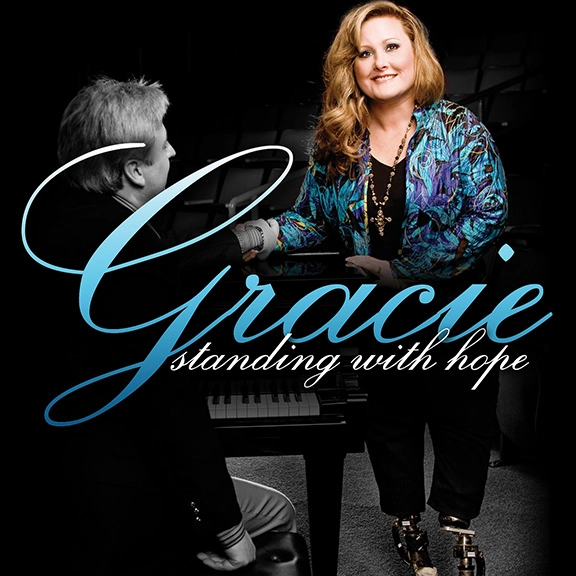
After years of trying to salvage her limbs following a horrific car accident in 1983, my wife relinquished her right leg in 1991 and her left leg in 1995. Following are five important things I’ve learned while serving as her caregiver for three decades:
1. LIMB LOSS DOES NOT MEAN “PERSON LOSS.” Body parts do not define individuals—either good or bad. The character of their hearts defines people.
2. LIMB LOSS, LIKE ANY LOSS, WILL NOT CAUSE CHARACTER DEFECTS. Loss, specifically a life-altering loss like amputation, is like Miracle-Gro for what is already in the heart. It is inappropriate and unhealthy to use limb loss as an excuse for poor behavior.
3. MISHAPS WILL OCCUR. Functioning with a missing limb is difficult. Cooking, walking, dressing, and every other task associated with mobility is subject to accidents, falls, spills, and other frustrating or painful events. Offer to help and/or dry tears, and be affirming and encouraging—but do not patronize or overreact. To become more independent, an amputee has to learn to overcome challenges that he or she encounters along the way.
4. AMPUTATION IS ALWAYS A TRAUMATIC EVENT. Any trauma involves tears, anger, depression, and even rage. Scars eventually heal, and so can hearts, but it involves work, acceptance, and sometimes forgiveness. Caregivers remain powerless over this process for others, and it is not our job to lessen or add to it. How amputees choose to deal with limb loss is their responsibility. Our responsibility as caregivers is to see to our own emotional and physical health—regardless of how our loved one responds. Healthy caregivers make better caregivers, and we care for our loved ones best when we are in a good place physically, emotionally, and financially.
5. COMING TO TERMS WITH AMPUTATION TAKES TIME—FOR BOTH THE AMPUTEE AND THE CAREGIVER. My wife’s prosthetist once told her, “Give it 8-15 years before you really mentally adjust to being an amputee.” As an amputee for over 50 years and a prosthetist for 45, he spoke from experience.
During the adjustment period(s), patience is a necessity—both for your loved one and for you. Support groups can offer much-needed communities, practical tips, and companionship along the way. Although limb loss is painful for amputees and their caregivers, it is encouraging to watch each other grow through the journey.
Missionary Jim Elliot stated, “He is no fool who gives what he cannot keep to gain what he cannot lose.” Amputation happens for a specific reason. It is often to discard something that is ultimately endangering the body, and sometimes the fear of loss is more paralyzing than the loss itself. As a caregiver for someone who relinquished that which she could not keep, I watched her gain that which she cannot lose. In the process, we also discovered together that loss is inevitable, but happiness is a choice.
By Peter W. Rosenberger. Peter is a caregiver, author, and radio host.