
When I started designing adaptive apparel, I learned that strength and beauty live in the seams—and those seams connect us all.
By Gabriel Cardier
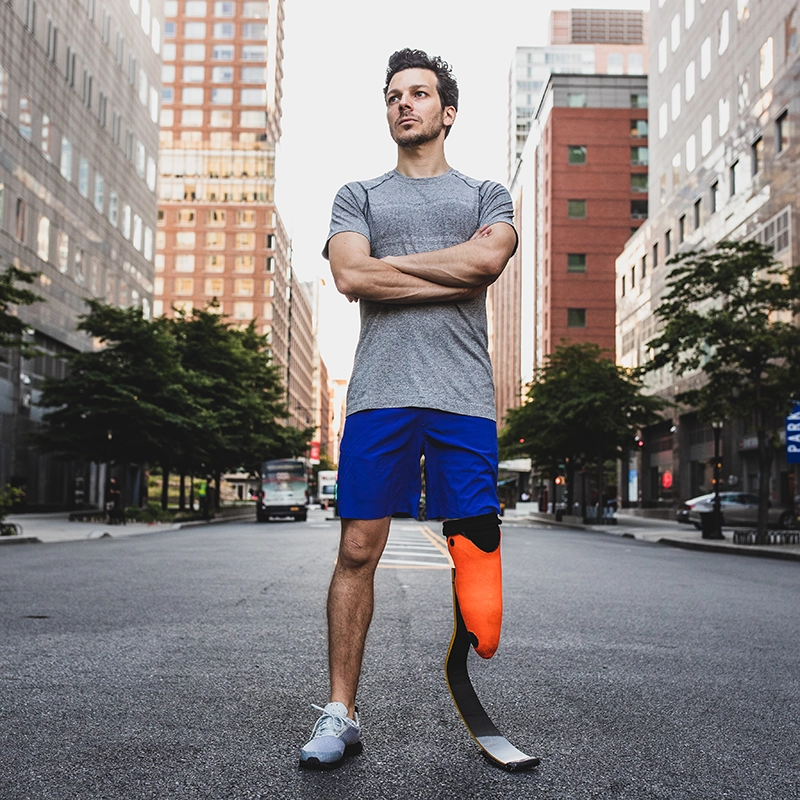
When I woke up after my motorcycle accident, the physical pain wasn’t what hit me the hardest. It was the quiet, disorienting stillness that followed—the feeling of looking down and realizing that the leg I had depended on for 30 years was gone.
Most upsetting of all was the vague sense that I had lost more than a leg. I was swaddled in medical garments that made me feel invisible. Everything I wore was made for medical treatment, not for personal expression. I remember catching my reflection one morning in the hospital mirror and thinking: I don’t care how I look anymore.
That thought scared me more than the surgeries. Because once you stop caring how you look, you start losing sight of who you are. The loss of identity was unsettling and depressing. But over time, it would become the thread that eventually tied together my recovery, my creativity, and a new philosophy of design.
The Golden Repair
Long before I had the idea for Aurushi—the adaptive-apparel company I would eventually found—there were just sketches. Lines on paper, drawn late at night in a small notebook, when I couldn’t sleep. I began experimenting with ideas for pants that could open easily around my prosthetic socket, that could stretch, breathe, and hold their shape after hours of movement.
At the time, it wasn’t about launching a company or anything else. It was just a way to feel again. A way to create something when everything else felt broken.
That’s when I discovered kintsugi, the Japanese art of repairing broken pottery with gold. Rather than disguising cracks, kintsugi celebrates them, turning breakage into beauty. The moment I learned about kintsugi, I saw my story in it. It taught me that what breaks us can also redefine us in positive ways.
During this period, I began filling in the cracks in my sense of community and rebuilding my social life from the ground up. I connected with the Challenged Athletes Foundation and the Range of Motion Project, two organizations that empower adaptive athletes around the world. Through them, I met others who’d experienced limb loss and learned the unspoken language of movement and adaptation. These weren’t stories of overcoming. They were stories of self-expression—of people using sport and motion to tell the world who they are.
When I began sharing my clothing sketches and rough prototypes with friends from those networks, the project took on a life of its own. What started as sketches on my desk became conversations about comfort, fit, and identity. People weren’t asking for perfection—they just wanted clothes that let them show up as themselves. Clothing wasn’t about access—it was about agency, about having a say in how we show up in the world.
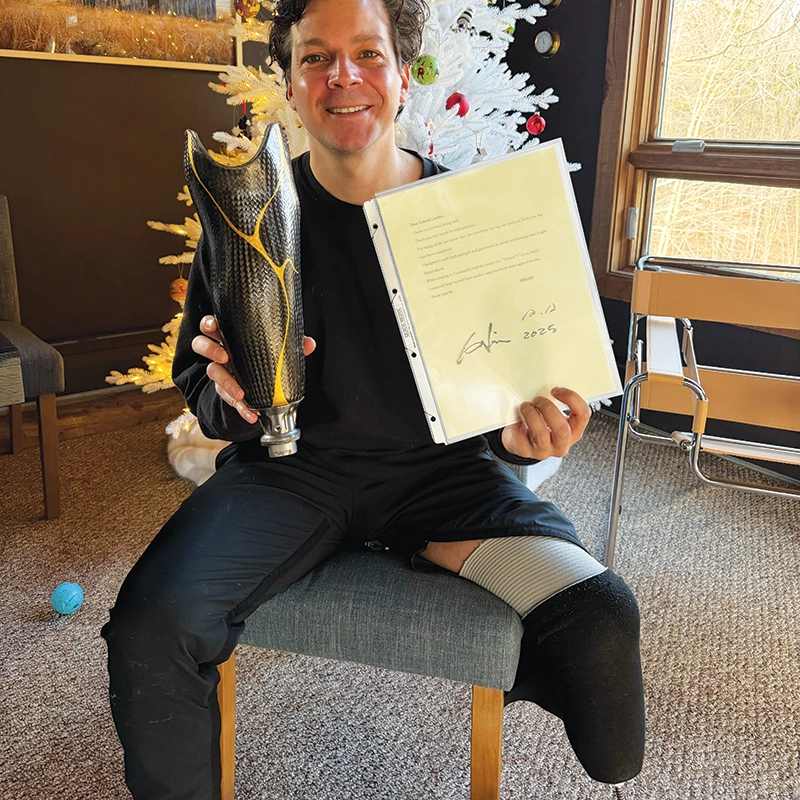
A trip to Tokyo in 2023 added another layer of meaning. While there, I attended a workshop led by a kintsugi master who had spoken at the 2021 Paralympics about the philosophy of repair. When I told him my story, he paused and said, “Send me one of your prosthetics. I’ll repair it with gold.”
It wasn’t about making my prosthesis look special. It was about honoring my experience, and embodying the idea that function and beauty could coexist. That symbolic repair became a metaphor for everything I’d been building: the blending of artistry, resilience, and human connection.
Back home, I continued refining my designs—now with input from prosthetists, therapists, and adaptive athletes. The conversations were honest. We talked about what it means to live in these clothes, not just wear them. Through those exchanges, Aurushi began to take shape as something larger than a clothing line or a company. It became a dialogue. Each seam, zipper, and fabric choice was informed by lived experience.
I began to think less like a founder and more like a collaborator. It dawned on me that I wasn’t designing for anyone—I was designing with them. Everyone pours their own story, their own version of gold, into the cracks.
Kintsugi reminded me that strength and beauty live in the seams. The community showed me that those seams connect us all.
Beyond the Fabric
When I first became an amputee, everything I wore made me feel like I had to hide. But confidence doesn’t come from erasing difference; it comes from embracing it.
That philosophy guides every decision I make with Aurushi. The company name nods to the lacquer used in kintsugi repair—urushi—a material that binds broken pieces together to create something stronger. I don’t treat adaptive design as a process of solving problems. It’s about representation. The term “adaptive” is often associated with limitation or rehabilitation. For me, the strongest association is with imagination. It’s about shaping the world around us instead of constantly reshaping ourselves to fit it.
Adaptive design achieves its best results when it happens communally. Since starting Aurushi, I’ve cultivated a network of prosthetists, physical therapists, and adaptive athletes who contribute feedback and ideas. Each conversation adds a stitch. Every insight becomes part of the design. Through these collaborations, Aurushi has become less a brand and more a collective effort—a way of showing how design can restore agency and connection. Some of the most insightful feedback has come from people who’ve lived their entire lives as amputees or as orthosis users. They’ve always been adapting—and creating their own solutions.
Aurushi’s first line of adaptive pants will launch in late March. But the heart of the project isn’t the apparel. It’s the philosophy behind it. It’s about how we treat adaptation itself. Too often, products for people with disabilities are framed as medical or corrective. I want to shift that—to show that adaptive design can be expressive, even joyful. Instead of making people feel invisible, as I felt immediately after my amputation, adaptive apparel can help people see themselves more clearly than ever. When you put on something that was made with your experience in mind, it changes how you carry yourself. That’s not vanity. That’s dignity.
As Aurushi prepares for its debut, I’m more focused on people than on product. I hope the company will serve as a platform for collaboration among adaptive communities, clinicians, and creatives. My goal isn’t just to build clothes. It’s to build space—where people feel represented, where design speaks the same language as their lives. The main goal isn’t to sell. It’s to invite people to become part of a long-term conversation about resilience, creativity, and collective expression.
Looking back, I sometimes think about that first glimpse of myself in the hospital mirror. I wish I could tell that version of myself that everything that felt broken would become the start of something new and bigger. What began as sketches drawn from one man’s recovery is becoming a shared effort—a platform shaped by many voices, for many lives in motion. Because clothing can do more than cover us. It can help us move forward with confidence.
We all have gold in our cracks. It just takes the right light to see it.
Gabriel Cardier is the founder and CEO of Aurushi. Follow him on Instagram @gabrielcardier. Visit aurushi.com to see the collection and place an order.