



RAKESH SRIVASTAVA
Innovative Prosthetics & Orthotics
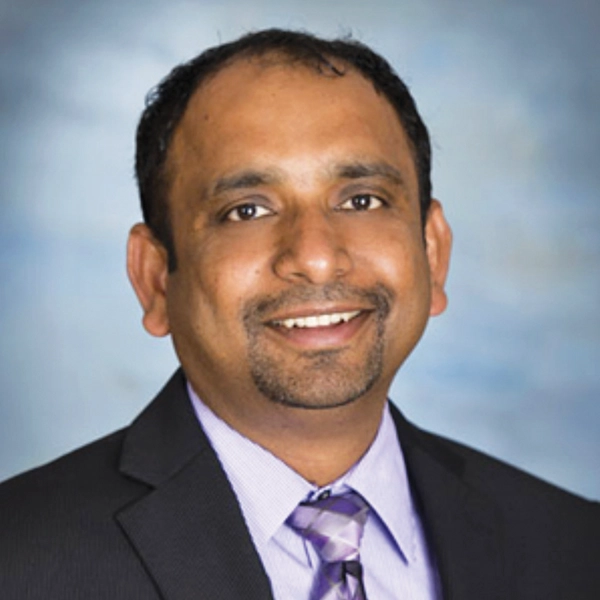
Rakesh Srivastava understands prosthetic care from both sides of the exam room. Srivastava lost his left leg above the knee in an accident at age ten while growing up in India. His experience using a prosthesis steered him toward a career in O&P, beginning at a rehabilitation center in New Delhi. He moved to Nebraska in 1997 and continued his education to become a board-certified prosthetist/orthotist. He opened Innovative Prosthetics & Orthotics in 2006.
What began as a small clinic with two employees grew into a multi-location practice. As an adjunct faculty member at the University of Nebraska’s Division of Biomechanics, he has participated in research including the Cyborg Beast project, exploring affordable 3D-printed upper-limb technology.
More than four decades after becoming a prosthesis user, Srivastava is still exploring how prosthetics can work better for the people who depend on them—bringing a perspective no textbook can teach.
ADAM KRAMER
Quantum Prosthetics & Orthotics
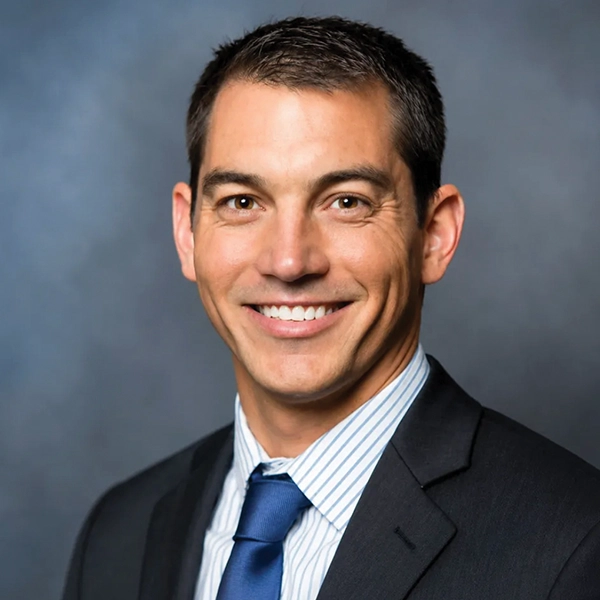
Before becoming a certified prosthetist/orthotist, Adam Kramer built his career in adaptive recreation, working with people with disabilities and wounded veterans in the Chicago area. He later brought that experience to elite competition as an assistant coach for Team USA Women’s Wheelchair Basketball and the University of Alabama’s Adapted Athletics program.
His teams won multiple national championships, and at the Tokyo Para-lympics, Team USA brought home the bronze. One of Kramer’s athletes subsequently presented him with the US Olympic & Paralympic Committee’s Order of Ikkos, an honor that allows Olympic and Paralympic medalists to recognize a coach or mentor instrumental to their success.
Today, Kramer brings lessons learned on the court into his work as a prosthetist. At Quantum, he combines advanced prosthetic technology with an understanding that mobility isn’t simply about moving from one place to another. Sometimes it’s about competing, belonging, pushing limits, and discovering just how far a body can go.
ALLISON SYMSACK
Walter Reed National Military Medical Center
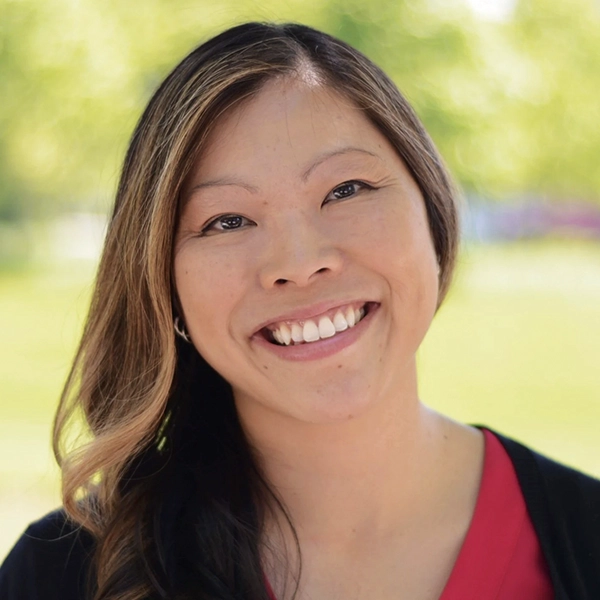
For Allison Symsack, helping people with limb loss move better happens in two very different places: in the research lab and out on the field.
A physical therapist and rehabilitation researcher at Walter Reed National Military Medical Center, Symsack has spent years studying mobility, gait, and rehabilitation among people with lower-limb loss. Her research collaborations include longtime O&P researcher and physical therapist Robert Gailey, PhD, PT, and studies examining everything from mobility and balance among people with bone-anchored prostheses to home-based walking and exercise programs for people with lower-limb loss.
Symsack also puts that science into motion. She’s one of the coaches leading the free Össur + Challenged Athletes Foundation Running and Mobility Clinics, which have helped thousands of people with limb loss and limb difference learn techniques for moving more confidently with their prostheses. Her philosophy reflects the long view she brings to that work: “Amputee rehab and recovery is a marathon, not a sprint.”
M. JASON HIGHSMITH
US Department of Veterans Affairs
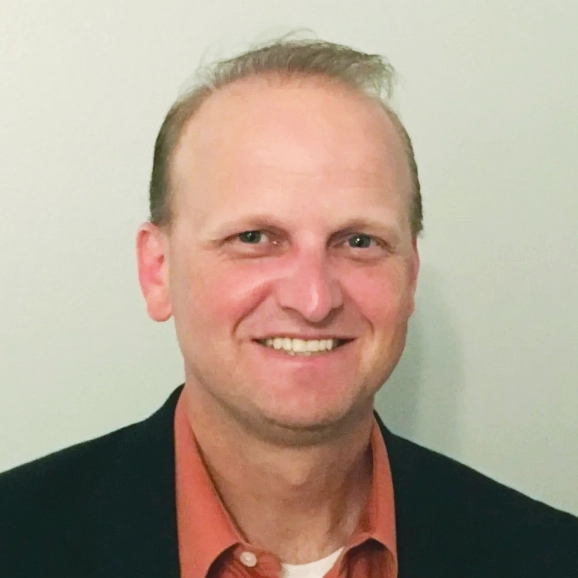
A physical therapist, certified prosthetist, and researcher, M. Jason Highsmith serves as national director of Orthotic, Prosthetic & Pedorthic Clinical Services for the US Department of Veterans Affairs and is affiliated with the University of South Florida’s School of Physical Therapy & Rehabilitation Sciences. His extensive body of research spans prosthetic technology, socket interfaces, mobility, rehabilitation, and outcomes for people with limb loss.
In 2026, Highsmith coauthored studies examining dermatologic problems among veterans with limb loss and a game-based training system for myoelectric prosthesis users. He also helped author the Clinician’s Guide to the 2024 VA/DoD Clinical Practice Guideline for the Rehabilitation of Individuals with Lower Limb Amputation, translating a rigorous evidence review into recommendations clinicians can use in everyday care.
For Highsmith, research is about building evidence clinicians need to make better decisions.
BRIAN LITTLE
UNC Health
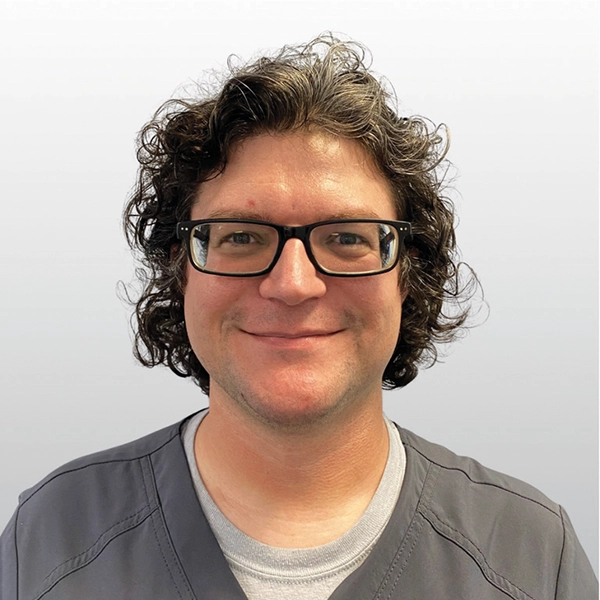
Brian Little’s career bridges two essential priorities in prosthetic care: advancing the technology itself and expanding access to the people who stand to benefit from it.
Now at UNC Health, the biomedical engineer and certified prosthetist/orthotist previously worked at Bionic Prosthetics & Orthotics, specializing in powered prosthetic knees and advanced upper-limb systems, including pattern-recognition technology.
His work has also explored more affordable approaches to prosthetic care, from 3D-printed partial hand devices to his involvement with Bionic Outreach. Earlier, he volunteered with e-NABLE to help fit children with 3D-printed hands and consulted on open-source prosthetic projects.
For Little, technological progress and accessibility are inseparable. His work reflects a commitment not only to advancing prosthetic technology but also to expanding who can benefit from it.
CHRIS BASCHUK
Point Designs
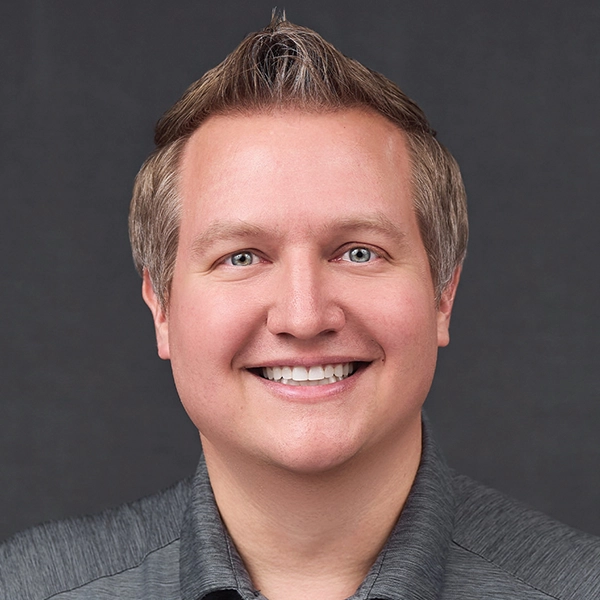
Chris Baschuk has emerged as one of the industry’s top experts in upper-limb prosthetic solutions. In 2024 he won first place for his design of a shoulder disarticulation prosthesis in the Additive Manufacturing Users Group Technical Competition.
An advocate for leveraging the distinctive capabilities of additive manufacturing in upper-limb prosthetics, Baschuk serves as the Director of Clinical Services for Point Designs. By integrating 3D shape capture, digital modeling, and innovative materials, his team at Point Designs has enhanced precision and efficiency in prosthetic solutions.
Baschuk has been chair of the Upper Limb Prosthetics Society since 2017, has lectured extensively, and has authored several peer-reviewed articles.
Beyond his academic and clinical work, Baschuk actively promotes prosthetic rehabilitation access, especially for those with upper-limb challenges.