



BEN HOGAN
Mary Free Bed Rehabilitation Hospital
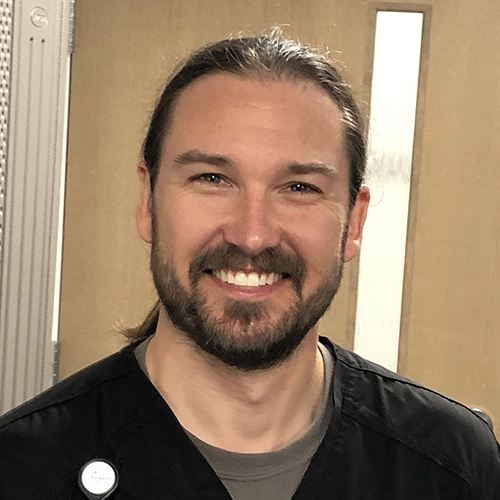
Before getting his O&P training, Hogan worked as a bicycle mechanic. Once he started working with amputees, he immediately recognized how much bikes and prosthetic limbs overlap in materials (titanium, carbon fiber, aluminum) and mechanical properties. “It’s connected my skill sets in ways I never could have imagined,” Hogan said in a podcast recently.
That conjunction gave rise to Project Bike Leg, Hogan’s two-year-old effort to recycle cheap, freely available bike parts into functional below-knee prostheses. The intent, Hogan explains, is to address the chronic systemic problems that leave nearly 90 percent of the world’s amputees without a prosthesis. Although the initiative is still in the prototype stage, it holds enough promise that Hogan earned an invitation to the prestigious International Society of Prosthetists and Orthotists (ISPO) Conference earlier this year. Info at projectbikeleg.com.
DAVID BANKS AND RANDY WEST
The Limb Center
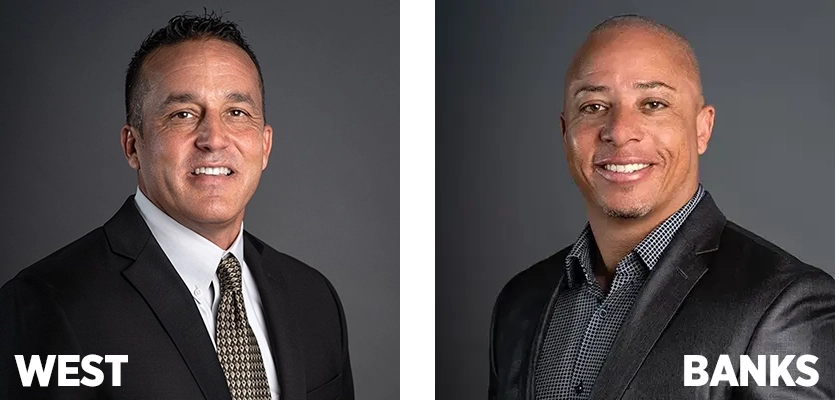
This duo met in 2000 when West fitted Banks, a new above-knee amputee, with his first prosthesis. They immediately bonded over their shared belief in supporting the least fortunate members of their community. Years later, when Banks completed his own O&P training, he joined The Limb Center in part because he knew West would sometimes provide free prosthetic care to uninsured people who couldn’t otherwise afford it.
Banks helped expand those efforts. In 2021, he and West staged a free one-day clinic in northern Mexico, a couple hours south of their Phoenix-area clinic. The demand was so overwhelming that the pair returned every few weeks; last year, they turned the endeavor into a nonprofit called Limbs for Humanity. “It’s always a special day when you get to witness someone take their first steps,” Banks wrote on Instagram. “Moments like these fill our hearts with humility and gratitude.” Visit limbsforhumanity.org.
NATHANIEL LEONCIO
Naval Medical Center, San Diego
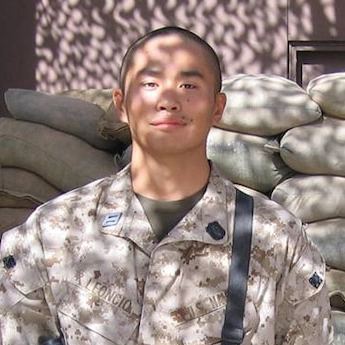
In the moments after an IED explosion tore off his right leg, Leoncio—a trained medic serving in Iraq—directed emergency care that saved not only his own life but also the lives of several other critically injured soldiers. For most of the 20 years since that day, he’s been helping wounded warriors on their healing journeys as the lead prosthetist at NMCSD.
Throughout Leoncio’s years of practice, military prosthetists have helped shepherd all kinds of advanced technologies into the mainstream, including advanced bionic limbs. But his greatest gift as a clinician is old-fashioned empathy. Having experienced the emotional ups and downs of rehabilitation, he offers trusted reassurance when it’s most needed. “We derive our overall well-being from knowing we’re not alone, that our brothers and sisters support us,” Leoncio told a military publication last year. “This collective support is where our greatest support lies.”
MATTHEW GARIBALDI
UCSF
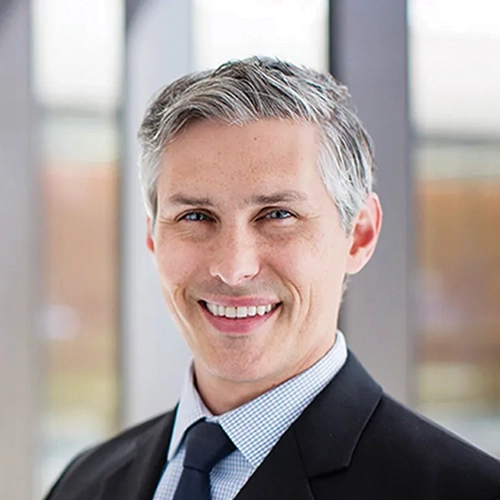
Amputees often feel their voices are barely heard (or stifled completely) in conversations about clinical care. Garibaldi has emerged as an active proponent of shared decision-making. As head of the University of California-San Francisco’s prestigious O&P unit, Garibaldi has published multiple studies about patient preference—and they have shown, on the whole, that collaborative decision-making between patients and practitioners yields better health outcomes.
Garibaldi has a particular interest in osseointegration, where successful outcomes depend heavily on each patient’s tolerance for risk, appetite for experimentation, and ability to capitalize on the benefits of OI. He has begun working with the Food and Drug Administration to bring patient perspectives into the regulatory decision-making process. Garibaldi also co-chairs the OI study group for the American Orthotic and Prosthetic Association.
ELI KAUFMAN AND DANIEL ABRAHAMSON
Veterans Affairs
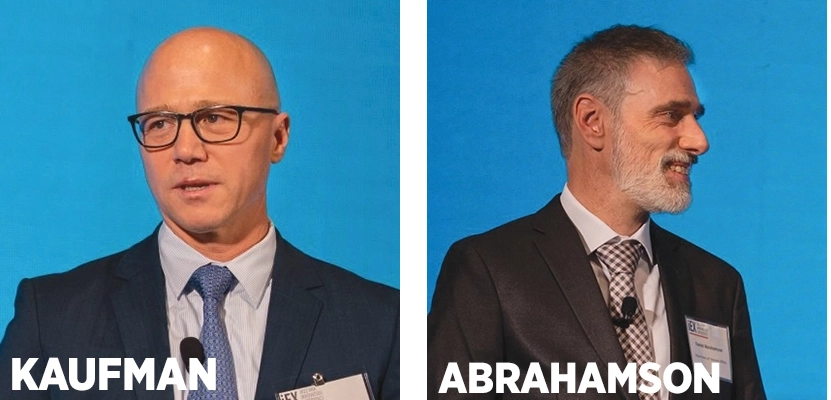
This pair of VA prosthetists cofounded the Mobile Prosthetic and Orthotic Care Program (MoPOC) five years ago. Starting with a single van in the Seattle office, they’ve systematically built up a nationwide fleet of rolling clinics. The program fills a critical gap in service, bringing limb care to amputees whose transportation and geography challenges prevent them from traveling to a conventional clinic.
“Roughly 20 percent of veterans would not receive their prescribed O&P care at all without MoPOC,” Abrahamson told VA News earlier this year. To date, MoPOC has reached more than 8,000 patients and is growing rapidly, with plans to add eight new mobile sites a year. By the end of this decade, Kaufman and Abrahamson hope to be operating in 60 sites around the country.
RADHA AMRUTIA
Bakersfield Prosthetics and Orthotics Center
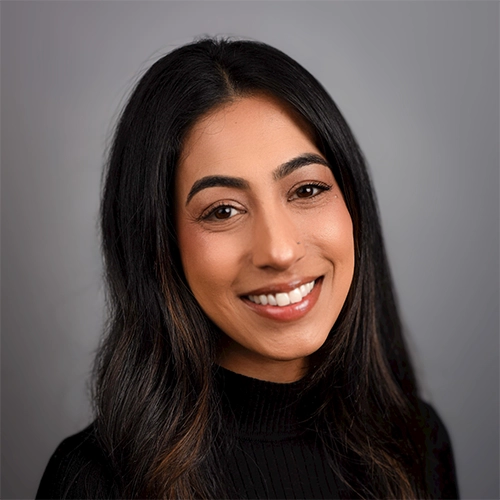
Amrutia took over her parents’ clinic just before the COVID pandemic hit. Forced to find new ways to address her patients’ needs, Amrutia instituted a range of reforms that enabled her team to spend more time with patients, offer more holistic care, and integrate her clinic with the broader California Central Valley community.
One innovation, the Amputee Success Program, bolstered the traditional prosthetic fitting with extended benefits such as mental wellness. Amrutia began taking on O&P residency students and partnered with nearby medical and nursing programs so healthcare trainees could gain experience with amputee patients. She actively supports projects related to accessibility, adaptive sports, and no-cost prosthetics. As she told a local TV station: “I’m in a position to bring people together, network, and bring something new to our community that hasn’t been done.”
CRISTALEI POLK
Ottobock ProCare
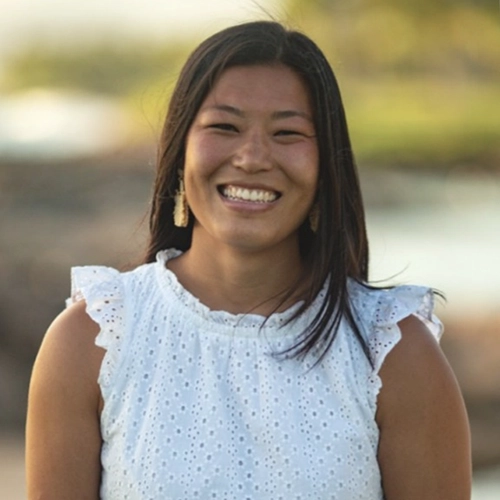
Prosthetists across the country are lobbying for amputee-friendly insurance laws through the So EveryBODY Can Move initiative, but Polk stands out for her triumphant work in the Georgia legislature. A notoriously tough environment for healthcare reform, Georgia is one of the last states to reject federal Medicaid subsidies available via Obamacare, due to lawmakers’ concerns about the potential burden on taxpayers.
Those same lawmakers approved the SEBCM bill by an aggregate House-Senate vote of 218-3. Polk, one of Georgia’s two lead advocates, helped mobilize an army of supporters from across the political spectrum, uniting everyday citizens with prominent Peach State amputees such as Jarryd Wallace and Mohamed Massaquoi. The coalition made a compelling appeal on moral grounds, but they won over the most skeptical legislators by showing that expanding prosthetic coverage would reduce health spending over the long run.