By Kim Ousley

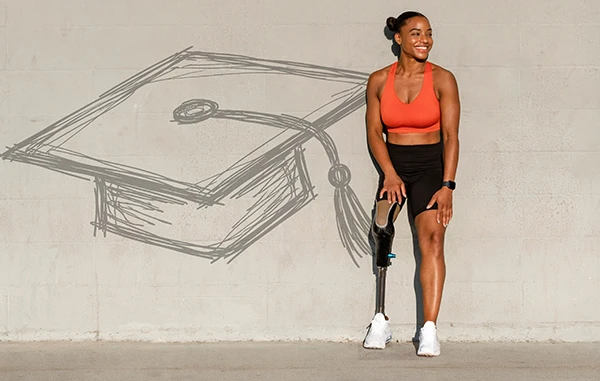
After seven months of training, 19 Paralympians graduated from the International Paralympic Committee’s (IPC) Para Athlete Professionals Course on May 22, 2026, completing a program designed to prepare athletes for leadership roles within the Paralympic Movement and beyond.
The course combined online and in-person learning experiences to help athletes transition from high-performance sport into new careers and opportunities after competition. Supported by a grant from the Toyota Mobility Foundation through the IPC Sport and Mobility Program, the initiative aims to develop a new generation of leaders and advocates for change.
Participants completed coursework in financial literacy, strategic thinking and advocacy, gaining insights from leaders both within and outside the Paralympic Movement. During the program’s final week, athletes gathered at the IPC Campus from May 18–22 for intensive training in public speaking, job interview skills, media relations and social media strategy.
Graduates received congratulations from IPC President Andrew Parsons and IPC Chief Executive Officer Dr. Mike Peters, PLY.
“Through the IPC’s Para Athlete Professionals Course, we want retiring athletes to know that they bring unique and highly desired qualities to professional environments beyond elite competition,” Peters said. “The lived experiences, skills and determination of these 19 Paralympians are among the greatest assets of the Paralympic Movement and beyond.”
Graduate Jason Dunkerley reflected on the impact of the program and the transition many athletes face after sport.
“Transition is not simply about leaving a sport behind,” Dunkerley said. “It is about renewal, growth and rediscovering purpose beyond competition. I have learned that my identity extends far beyond being an athlete, and that the skills we develop as athletes—resilience, adaptability and leadership—can equip us to make a positive difference beyond the field of play.”
For the 2025–2026 cycle, the program received more than 80 applications. Athletes from 13 sports were selected, representing 17 countries across five continents. The graduating class included 12 women.
According to the IPC, the program is intended to help Paralympians build the confidence, skills and professional networks needed to thrive in leadership roles long after their competitive careers have ended.
Source: International Paralympic Committee